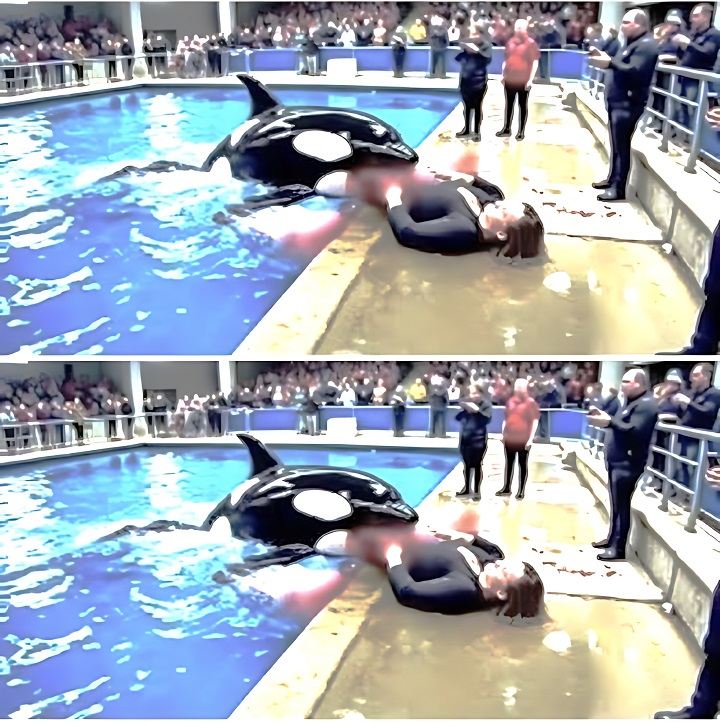
In a heart-stopping moment at Blue Horizon, Neptune, the star orca, goes from performer to predator, attacking her trainer in front of a stunned audience. This shocking incident is just the tip of the iceberg. Around the world, some orcas have broken the script, turning trained routines into dangerous confrontations.
These are serious workplace safety incidents that have been widely documented.
Notable Documented Cases:
The most well-known incident occurred in 2010 at SeaWorld Orlando, where experienced trainer Dawn Brancheau was killed by Tilikum, a 6-ton orca. This incident received widespread coverage and was later featured in the documentary “Blackfish.”
Other documented incidents include:
Keltie Byrnes (1991) at SeaWorld of the Pacific in British Columbia
Alexis MartÃnez (2009) at Loro Parque in Spain
Several non-fatal incidents in which trainers were pulled underwater or injured
Major safety concerns identified:
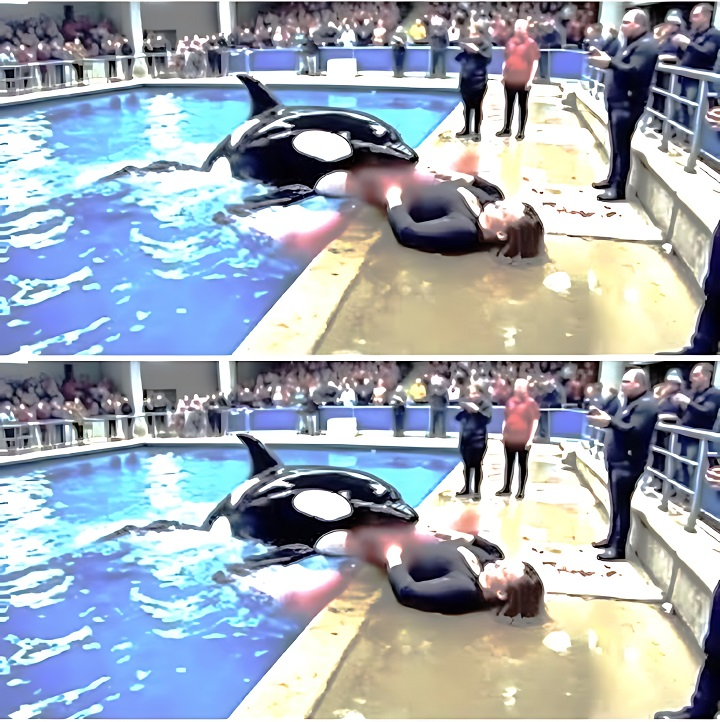
Captive orcas can exhibit increased aggression due to stress.
The size and strength of these animals (up to 22 feet long, over 6 tons) make any incident potentially fatal.
Captive orcas have shorter lifespans and different behavioral patterns than wild orcas.
Industry Changes:
Following these incidents, many marine parks have implemented new safety protocols, including eliminating direct in-water contact between trainers and orcas during shows.
Are you researching this for a specific educational purpose, or would you prefer I focus on specific aspects of marine mammal safety?
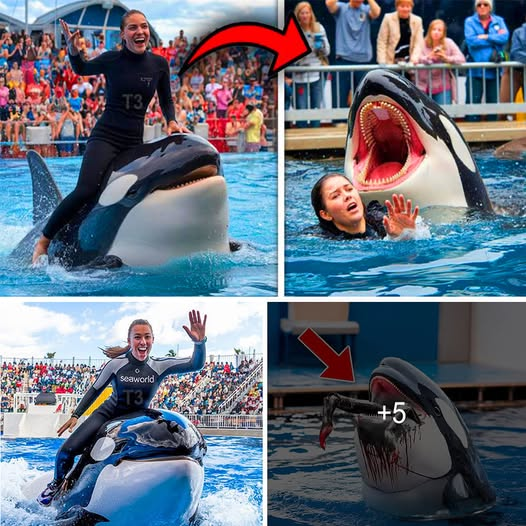
The Terrifying Last Moments of Orca Trainer Maris Ellington
Introduction
The world of marine animal training can be both fascinating and dangerous. One tragic incident that shook the industry was the terrifying last moments of orca trainer Maris Ellington. In this article, we will explore the events leading up to this tragic incident and examine its implications for the field of marine animal training.
Who was Maris Ellington?
Maris Ellington was a highly skilled and experienced orca trainer who had been working with marine animals for over a decade. She was known for her deep connection with the orcas in her care and her innovative training techniques.
What led to the tragic incident?
One fateful day, during a routine training session, one of the orcas in Maris’s care suddenly became aggressive. Despite Maris’s efforts to calm the situation, the orca became increasingly agitated and attacked her. The attack happened so quickly that there was barely time to intervene.
The Aftermath of the Incident
The tragic incident shocked the marine animal training community. Many questioned established safety protocols and demanded stricter regulations to protect trainers from such attacks in the future.
The Impact on Marine Animal Training
The incident had a profound impact on the field of marine animal training. Trainers were reminded of the risks involved in working closely with these powerful animals and began implementing stricter safety measures. The relationship between trainers and marine animals also came under scrutiny, with many calling for a more cautious approach to training.
Conclusion
The terrifying final moments of orca trainer Maris Ellington serve as a stark reminder of the dangers inherent in working with marine animals. While the incident was a tragedy, it also sparked important conversations about safety and responsibility in the field of marine animal training. It is crucial that coaches remain vigilant and prioritize both their own safety and the well-being of their team members.