Skin irritation in the groin area is a widespread concern that can affect people of all genders and ages.
The groin is a warm, moist, and often confined environment, which makes it a prime area for various dermatological issues.Understanding the causes, symptoms, and safe treatments of these conditions
is essential for maintaining good hygiene and skin health.What They AreIngrown hairs occur when hair curls back or grows sideways into the skin instead of rising up from it.
This often causes red, itchy bumps that resemble pimples. In some cases, ingrown hairs can become infected, resulting in painful pus-filled lesions
Fungal infections are another common cause of irritation in the groin area. The most well-known example is tinea cruris, often referred to as “jock itch.” This condition is caused by a type of fungus that thrives in warm, moist environments. Symptoms typically include red, scaly patches with a distinct border, itching, and sometimes a burning sensation. Prompt treatment with antifungal creams or powders is recommended to prevent the infection from spreading or recurring.
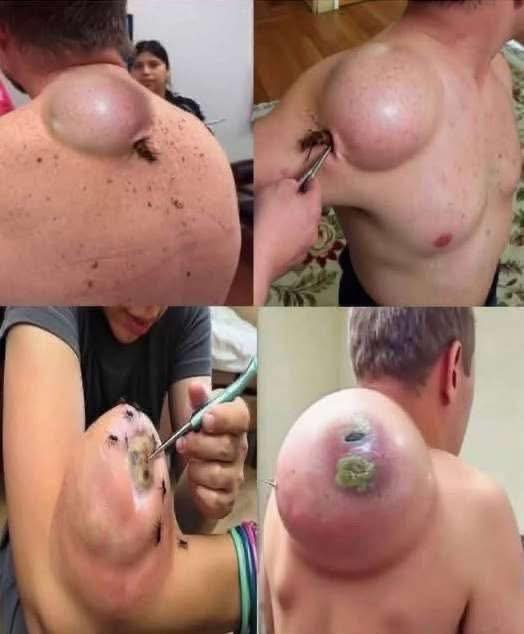
Bacterial infections may also develop in the groin area, especially if the skin is broken from scratching or shaving. Folliculitis, for instance, is an infection of the hair follicles that can cause clusters of red, pus-filled bumps. Proper hygiene, wearing breathable clothing, and using antiseptic washes can help reduce the risk of bacterial infections. In severe cases, a doctor may prescribe antibiotics.
Skin irritation can also be caused by simple chafing, which happens when skin repeatedly rubs against skin or tight clothing. This leads to redness, soreness, and sometimes a stinging sensation. Applying a barrier cream, wearing loose-fitting underwear, and keeping the area dry can help alleviate discomfort and prevent further irritation.
Finally, allergic reactions to soaps, detergents, or personal care products can cause rashes and itching in the groin area. Identifying and avoiding the trigger product, along with using gentle, fragrance-free cleansers, is key to preventing future flare-ups. If the reaction is severe, an over-the-counter hydrocortisone cream may help reduce inflammation.