
For many women, intimacy changes after menopause, and this is far more common than most people realize. Menopause marks the end of the reproductive years, but it does not mean the end of a healthy or satisfying sex life. In fact, many women continue to enjoy fulfilling intimate relationships well into their later years. However, hormonal changes can create physical and emotional challenges that may require a different approach than before.
One of the biggest changes involves a decline in estrogen levels. Estrogen helps keep the vaginal tissues thick, elastic, and naturally lubricated. As estrogen decreases, these tissues often become thinner, drier, and less flexible—a condition commonly known as vaginal atrophy or, more broadly, part of the genitourinary syndrome of menopause (GSM). As a result, everyday activities or sexual intercourse may become uncomfortable or even painful.
Many women describe symptoms such as:
- Vaginal dryness
- Burning or itching
- Increased sensitivity
- Pain during intercourse
- Light bleeding after sex
- Frequent urinary tract infections
- Urinary urgency or discomfort
These physical symptoms are only part of the picture. Emotional well-being also plays an important role. Stress, anxiety, depression, relationship concerns, poor sleep, body image changes, and certain medications can all influence sexual desire and satisfaction. Medical conditions such as diabetes, cardiovascular disease, thyroid disorders, or pelvic floor dysfunction may further affect blood flow, nerve function, and overall sexual health.
The encouraging news is that menopause-related discomfort is highly treatable. There are many safe, evidence-based options that can improve comfort, restore confidence, and help women continue enjoying intimacy. If pain during intercourse becomes persistent or severe, it is important to speak with a healthcare provider. Identifying the underlying cause allows the most appropriate treatment plan to be developed.
Use Lubrication for Immediate Relief
Vaginal dryness is one of the most common complaints after menopause, and using a high-quality lubricant is often the quickest way to reduce discomfort during intimacy. Lubricants decrease friction, making sexual activity smoother and significantly more comfortable.
There are two primary categories of lubricants:
Water-Based Lubricants
Water-based lubricants are the most widely recommended because they are easy to find, simple to clean, and generally compatible with condoms and most intimate devices. They feel light and natural but may dry out more quickly, meaning additional applications may be needed during longer periods of intimacy.
These lubricants are an excellent first choice for women with mild to moderate vaginal dryness.
Silicone-Based Lubricants
Silicone-based lubricants last much longer than water-based products because they do not evaporate as quickly. They provide a smooth, silky feel and are particularly helpful for women experiencing significant dryness or persistent discomfort.
However, silicone lubricants should not be used with silicone intimate devices because they may damage the material over time.
Choosing the Right Product
Not every lubricant is equally suitable for sensitive tissues. Products containing perfumes, dyes, warming ingredients, cooling agents, parabens, glycerin, or certain preservatives may trigger irritation in some women.
When shopping for a lubricant, look for products specifically labeled for sensitive skin or vaginal use, with as few unnecessary ingredients as possible.
Avoid petroleum jelly, mineral oil, baby oil, or household cooking oils. Although they may seem moisturizing, these products can increase the risk of irritation or infection and may also weaken latex condoms.
Try a Vaginal Moisturizer
Unlike lubricants, which are designed for use immediately before or during sexual activity, vaginal moisturizers work continuously to restore moisture to vaginal tissues.
These products are typically applied every two to three days, regardless of whether sexual activity is planned. Over time, consistent use can improve tissue hydration, elasticity, and comfort in everyday life—not just during intimacy.
Women often notice:
- Less dryness throughout the day
- Reduced itching and irritation
- Improved comfort during walking or exercise
- Better elasticity of vaginal tissue
- Reduced discomfort during intercourse
Most moisturizers are hormone-free, making them a suitable option for many women who cannot or prefer not to use hormonal therapies.
Some women also choose natural products such as vitamin E oil or coconut oil. While these may provide temporary relief when applied externally, scientific evidence supporting internal vaginal use remains limited. In some individuals, oils may disrupt the natural vaginal environment or increase irritation.
Anyone considering natural remedies should discuss them with a healthcare provider, especially if they have a history of recurrent infections.
Ask About Prescription Treatments
If over-the-counter lubricants and moisturizers are not enough, prescription therapies can often provide significant improvement.
Depending on your symptoms and medical history, a healthcare provider may recommend one of several treatments.
Vaginal Estrogen Therapy
Low-dose vaginal estrogen is considered one of the most effective treatments for menopause-related vaginal dryness and discomfort.
Available as creams, tablets, or vaginal rings, it delivers estrogen directly to vaginal tissues with minimal absorption into the bloodstream. This helps restore thickness, elasticity, moisture, and blood flow while reducing pain during intercourse.
Vaginal DHEA
Dehydroepiandrosterone (DHEA) is converted within vaginal tissues into small amounts of estrogen and testosterone. This treatment may improve lubrication, reduce pain, and support healthier tissue without substantially increasing hormone levels throughout the body.
Estrogen-Like Medications
Certain prescription medications act similarly to estrogen within vaginal tissue while affecting other parts of the body differently. These medications may improve vaginal comfort and reduce painful intercourse for selected patients.
Hormone Replacement Therapy (HRT)
Some women experiencing multiple menopause symptoms—including hot flashes, night sweats, sleep disruption, mood changes, and vaginal dryness—may benefit from systemic hormone replacement therapy.
HRT is not appropriate for everyone. Factors such as age, personal health history, family history of breast cancer, cardiovascular disease, stroke risk, and blood clotting disorders must all be considered before starting treatment.
A healthcare professional can explain the potential benefits and risks and help determine whether hormonal therapy is suitable.
Consider Pelvic Floor Physical Therapy
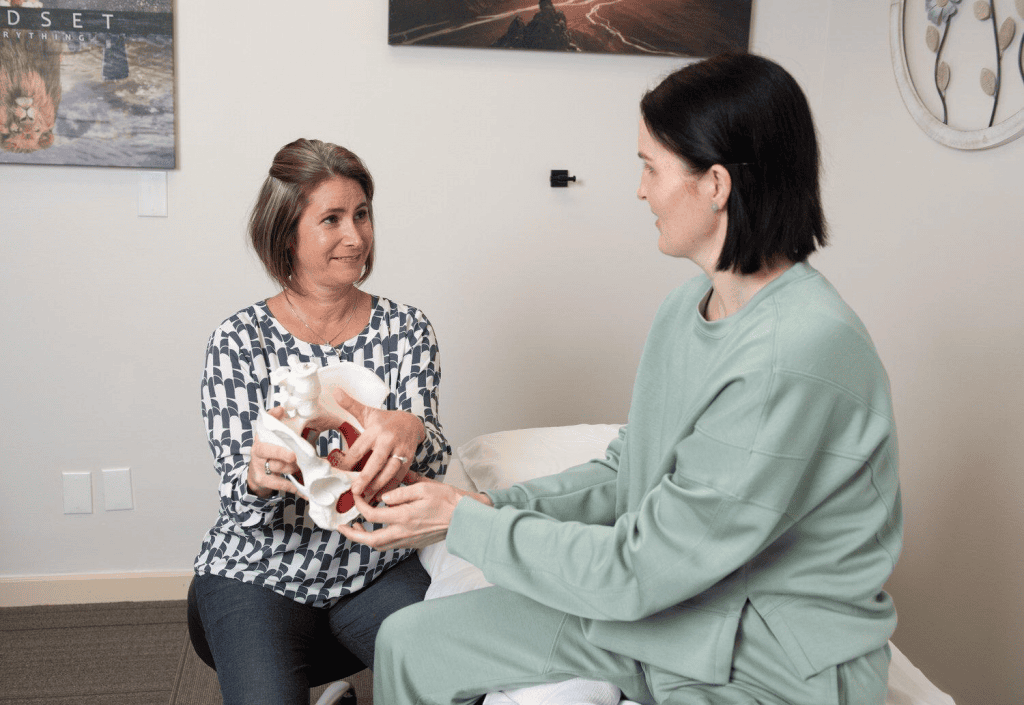
The pelvic floor is a group of muscles that supports the bladder, uterus, bowel, and vagina. These muscles contribute not only to bladder control but also to sexual function.
After menopause, pelvic floor muscles may become either weaker or excessively tight. Both situations can contribute to pain during intercourse, reduced sexual satisfaction, urinary leakage, or pelvic discomfort.
A pelvic floor physical therapist can perform an individualized assessment and create a treatment program that may include:
- Relaxation techniques
- Gentle stretching
- Strengthening exercises
- Biofeedback
- Breathing exercises
- Manual therapy
- Education about pelvic muscle coordination
In some cases, graduated vaginal dilators or specialized therapeutic devices may help gently improve flexibility, reduce muscle tension, and increase comfort over time.
Many women experience substantial improvements after completing pelvic floor rehabilitation.
Reduce Stress and Support Mental Well-Being
Sexual health is closely connected to emotional health. Stress affects hormone levels, sleep quality, mood, and sexual desire. Anxiety about pain can also create a cycle in which fear leads to muscle tension, making intercourse even more uncomfortable.
Managing stress may improve both physical comfort and sexual satisfaction.
Helpful strategies include:
- Yoga
- Meditation
- Mindfulness exercises
- Deep breathing
- Regular physical activity
- Quality sleep
- Spending time outdoors
- Relaxation techniques
If emotional concerns, relationship conflicts, past trauma, depression, or anxiety are affecting intimacy, counseling with a psychologist, licensed therapist, or certified sex therapist may be extremely beneficial.
Open communication with a partner can also reduce misunderstandings and help couples adapt together to these changes.

Increase Stimulation and Foreplay
After menopause, the body often requires more time to become fully aroused. This is completely normal and does not mean something is wrong.
Longer foreplay increases blood flow to the genital area, stimulates natural lubrication, and allows tissues to become more flexible before penetration.
Couples may benefit from exploring:
- More kissing and touching
- Sensual massage
- Oral stimulation
- Different forms of intimacy
- Slower pacing
- Better communication about comfort and pleasure
Regular sexual activity—including self-stimulation if desired—may help maintain healthy blood circulation within vaginal tissues and preserve elasticity over time.
Experimenting with different positions can also make intercourse more comfortable. Many women feel more in control when they can adjust the angle, depth, and speed of penetration themselves.
Maintain Overall Health
General health has a significant impact on sexual wellness.
Regular physical activity improves blood circulation, strengthens muscles, supports heart health, enhances mood, and increases energy levels. Even moderate exercise, such as brisk walking or swimming several times a week, may positively influence sexual function.
Managing chronic medical conditions is equally important. Diseases such as diabetes, hypertension, obesity, arthritis, and cardiovascular disease can all contribute to sexual discomfort or reduced desire.
A balanced diet rich in fruits, vegetables, whole grains, lean proteins, and healthy fats supports hormone balance and vascular health. Staying hydrated also helps maintain tissue health.
Smoking damages blood vessels and decreases circulation to vaginal tissues, making dryness and healing more difficult. Quitting smoking can improve blood flow and overall genital health over time.
Limiting excessive alcohol intake may also improve sexual responsiveness and reduce vaginal dryness for some women.
The Bottom Line
Menopause brings many natural changes, but painful intimacy is not something women simply have to accept. Vaginal dryness, discomfort, and changes in sexual desire are common, yet highly manageable with the right combination of lifestyle changes, over-the-counter products, medical therapies, and emotional support.
Every woman’s experience with menopause is different. Finding the most effective treatment may take some experimentation, but many women regain comfort, confidence, and satisfying intimacy after addressing the underlying causes. If symptoms persist or interfere with quality of life, don’t hesitate to consult a healthcare provider. With proper guidance and personalized care, it is entirely possible to maintain a healthy and fulfilling intimate life after menopause.